Planning a renovation in Fort Sheridan can feel like a maze. Between historic design goals, ravine buffers, and layered approvals, it is easy to miss a step that slows everything down. You want a smooth process, clear expectations, and a finished home that fits the neighborhood. In this guide, you will learn how design review works in Fort Sheridan, what to submit, how ravine protections affect your plans, and how to plan a timeline that avoids surprises. Let’s dive in.
Who approves your project
Most Fort Sheridan homes sit under several layers of oversight. You will usually work with a Fort Sheridan design-review body or HOA architectural review board, the City of Highwood for building and zoning permits, and sometimes county, state, or federal agencies for environmental items.
Start with the Fort Sheridan design review. That board focuses on neighborhood character, materials, and compatibility. The City of Highwood handles building, electrical, plumbing, mechanical, and zoning. If your project touches stormwater, ravines, or erosion issues, Lake County or other regional authorities may be involved. State or federal review can apply if your work affects historic fabric or regulated waters.
Who to call first
- Contact your Fort Sheridan design-review body or HOA to confirm guidelines, application forms, meeting dates, and submittal requirements.
- Coordinate early with the City of Highwood Building and Zoning departments so your plans match local code and setbacks.
- If your lot is near a ravine, talk with Lake County stormwater/environmental staff and consider a civil or landscape engineer who knows local ravine rules.
- For work that may affect historic fabric, check whether Illinois SHPO review could apply.
What to submit for design review
Your goal is a clear, complete package that shows your project respects Fort Sheridan’s historic character and site-sensitive conditions. While exact lists vary by sub-association, most successful submittals include:
- Completed design-review or HOA application with owner and contractor details
- Current property survey and site plan showing lot lines, setbacks, proposed work, driveways, impervious areas, and topography near the work area
- Floor plans and exterior elevations for additions or major changes (north, south, east, and west)
- Material and color samples for roofing, siding, trim, windows, doors, and hardscape
- Scaled drawings with dimensions for fences, decks, porches, or outbuildings
- Landscape plan with proposed plantings, tree removals or retention, and any drainage features
- Tree-protection plan when work is near mature or designated trees
- Context photos of existing conditions and neighboring homes
- Lighting plan with fixture cut sheets and light levels, including shielding and direction
- Signage details if you plan any temporary construction or professional signs
- Contractor licenses and insurance (when requested)
- A brief narrative explaining how the design meets neighborhood guidelines
What boards focus on
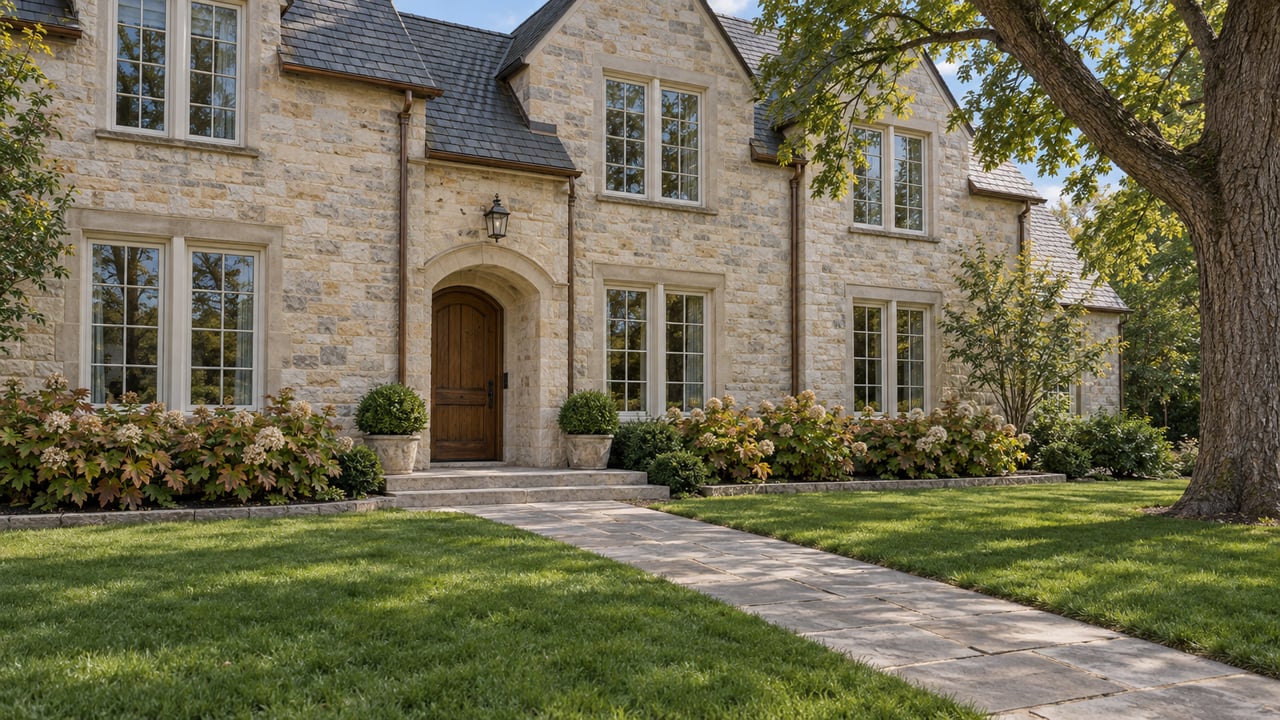
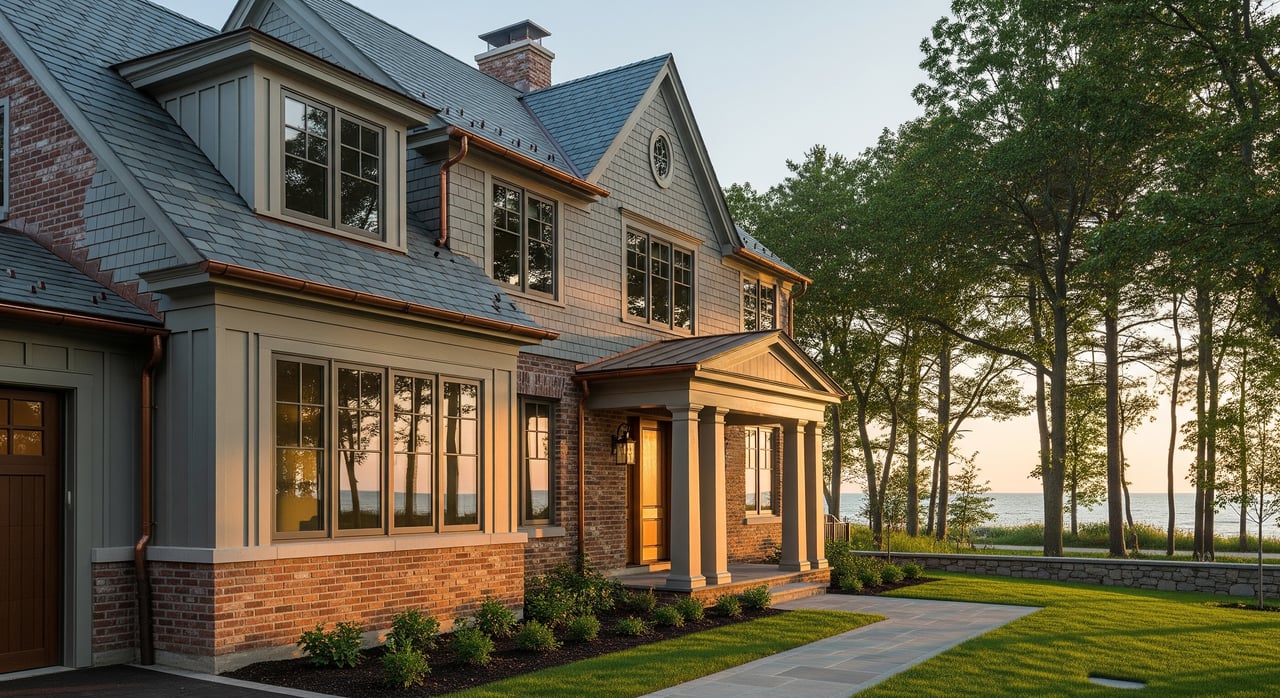
Design-review bodies often look closely at rooflines and eaves, window proportions, siding material and exposure, porch scale and column design, color palettes, and how foundations and masonry are treated. They also aim to minimize the visual impact of modern mechanical equipment from public views.
Board decisions can be approvals, conditional approvals with required modifications, requests for more information, or denials. Conditions often involve specific material or color changes.
Ravine buffers and site limits
Fort Sheridan’s ravines and bluffs are special landscape features that come with careful protection. If your lot is near a ravine or bluff, plan for stricter standards to protect slope stability and water quality.
Typical requirements include setbacks within a ravine or bluff buffer, limits on tree or native vegetation removal, erosion and sediment controls during construction, and stormwater measures if you add impervious surface. If your work affects ravines, streams, wetlands, or bluffs, you may need county or state permits. Larger disturbances can trigger construction stormwater requirements.
If your lot touches a ravine
- Get a current survey that shows topography and the ravine or bluff edge.
- Hire a civil engineer or landscape architect experienced with local ravine rules.
- Include a tree-protection and erosion-control plan in your design-review submittal.
- Expect more technical documentation and mitigation if your project affects erosion or slope stability.
Temporary and job-site signs
Fort Sheridan HOAs often limit the size, location, and duration of temporary signs. Many communities allow only small nameplates or real estate signs of specific maximum dimensions. Contractor advertising, lighting, or multiple signs may be restricted.
The City of Highwood controls signs in the right-of-way and may require separate permits for some temporary signs. Place any construction sign on your property only, not in the public way, and confirm how long it may remain posted.
Quick signage checklist
- Review your HOA sign rules before placing any real estate, contractor, or directional sign.
- Confirm size, placement, and time limits in writing with the HOA or design board.
- Ask the City of Highwood whether a sign permit is needed for your temporary sign.
Timeline and what to expect
Every project is unique, but these ranges can help you plan:
- Pre-application or informal review: about 1 to 2 weeks to schedule
- Formal design-review timeline: about 2 to 8 weeks from submission to decision, depending on meeting schedules and any requests for revisions
- City building-permit review after design approval: about 2 to 12 weeks (simple projects are faster, complex additions or variances take longer)
- Environmental permits, if needed: several weeks to months depending on complexity
For modest exterior changes, plan on about 6 to 12 weeks before construction can begin. For additions or projects near ravines, expect 3 to 6 months or more.
How to avoid delays
- Start early and coordinate with both the Fort Sheridan design-review body and the City of Highwood at concept stage.
- Submit a complete, consolidated package with plans, photos, materials, and required forms.
- Schedule a pre-application meeting to surface issues before the formal review.
- Hire professionals who know Fort Sheridan’s guidelines and local regulators.
- Engage neighbors early if notifications are expected.
- Budget time and cost for potential conditions, such as material changes or added landscaping.
Step-by-step planning checklist
Use this checklist before you sign a contractor:
- Confirm your property is inside the Fort Sheridan design-review area and note any deed restrictions.
- Read the Fort Sheridan design guidelines, your HOA covenants, and the application packet.
- Review the City of Highwood building and zoning requirements.
- Check county-level stormwater, erosion, and bluff or wetland protections that could apply.
- Assemble baseline documents: a current survey, site plan, context photos, and preliminary drawings with a materials list that aligns with guidelines.
- Schedule a pre-application meeting with your design board or HOA, if available.
- Submit a full design-review application with all required items.
- After design approval, apply for all city and any environmental permits.
- Select contractors who have experience with historic neighborhoods and Fort Sheridan processes, with proper licenses and insurance.
- On site, maintain erosion and tree protection, follow permitted hours, respect sign rules, and keep the site tidy.
Common board questions
You can prepare faster by anticipating common reviewer questions:
- How does the addition relate to the home’s original massing and roofline?
- Are window proportions and trim consistent with the historic character?
- Do materials and colors align with the neighborhood palette?
- How will stormwater be managed if impervious area increases?
- What protections are in place for mature trees and ravine edges?
- Where will mechanicals be located to reduce visual impact from public views?
When to bring in specialists
If your project involves structural changes, additions near ravines, or major exterior alterations, bring in the right team early. Architects who know Fort Sheridan design standards, civil engineers for ravine or drainage work, and landscape architects who can design stabilization plantings help you meet guidelines the first time.
A proactive team also helps you coordinate HOA conditions with city code, so you do not have to redesign after permit review starts.
Ready to plan your renovation?
With the right sequence, complete submittals, and early outreach, you can protect your timeline and keep your design aligned with Fort Sheridan’s character. If you are weighing updates for resale or preparing a larger renovation, connect for a local perspective and a clear plan that fits your goals.
Request a Home Valuation & Market Plan with the Lyn Wise Group to map your project to market timing and maximize your outcome.
FAQs
Do I need approval to change exterior paint in Fort Sheridan?
- Many historic-design overlays require approval for exterior color changes, especially on primary facades. Check the specific Fort Sheridan guidelines and your HOA covenants.
Can I remove a large tree near a ravine on my lot?
- Likely not without permission. Tree removal in ravine or bluff buffers often requires approval and may trigger mitigation plantings or tree replacement.
What happens if the design board denies my project?
- Most boards allow an appeal or re-submittal. Review your board bylaws or HOA procedures for the appeal process, deadlines, and required revisions.
Do I need both HOA/design approval and a City of Highwood building permit?
- Yes. HOA/design approval meets private covenant requirements, and the city permit meets legal requirements. You typically need both before work begins.