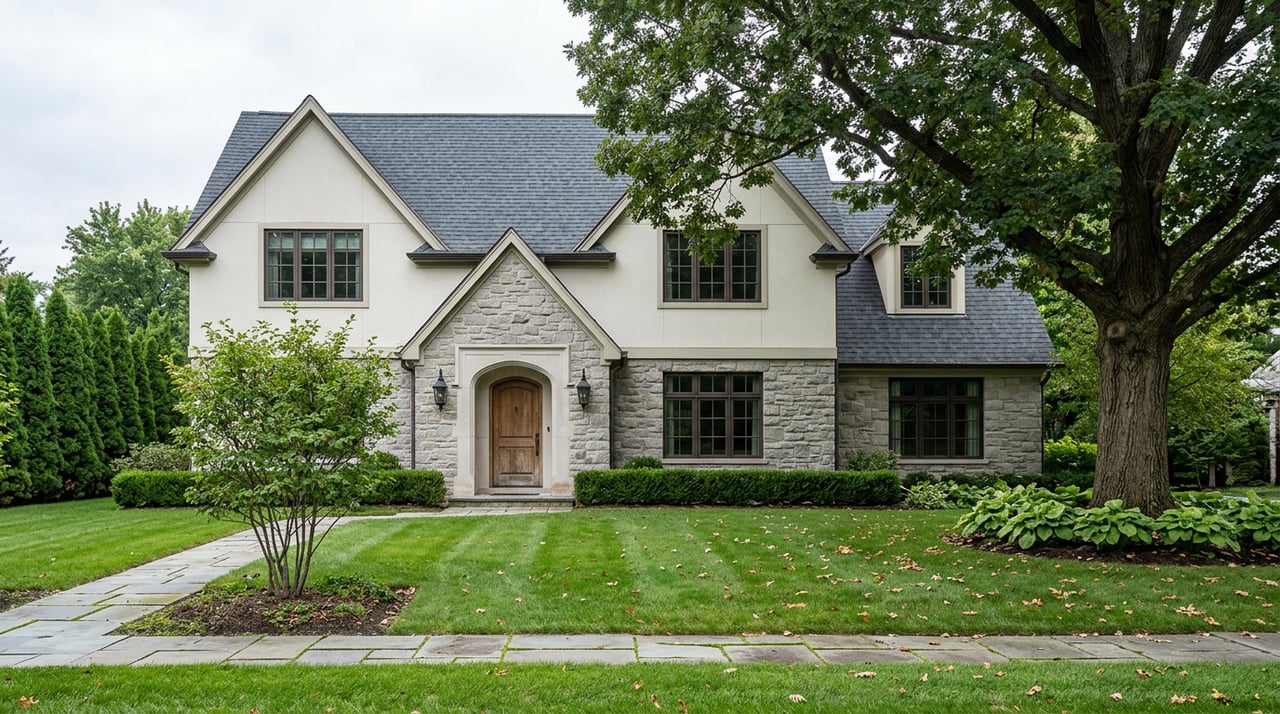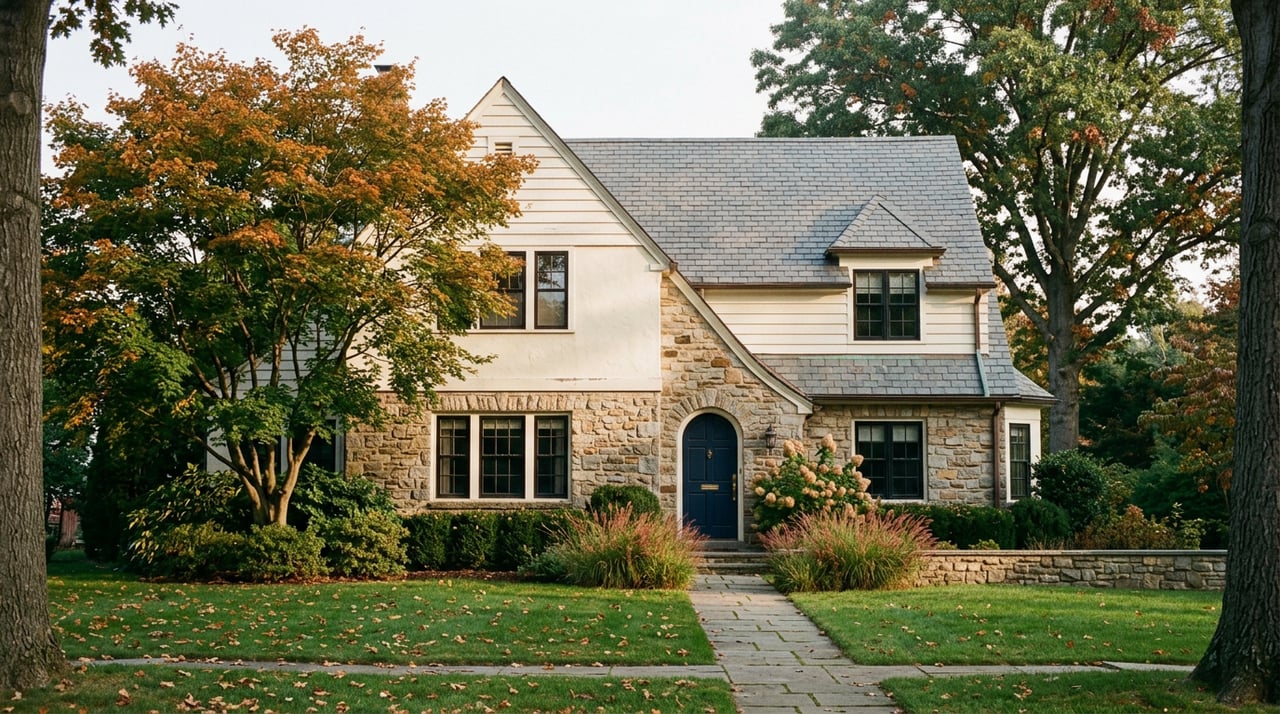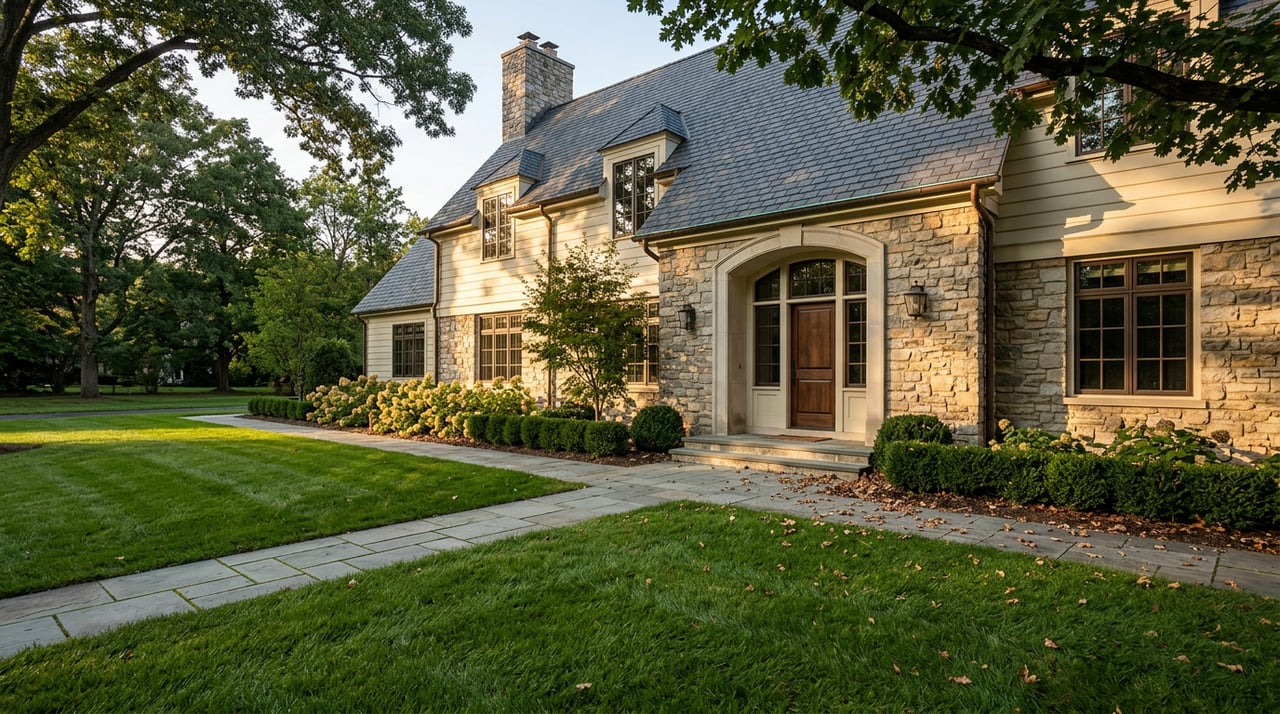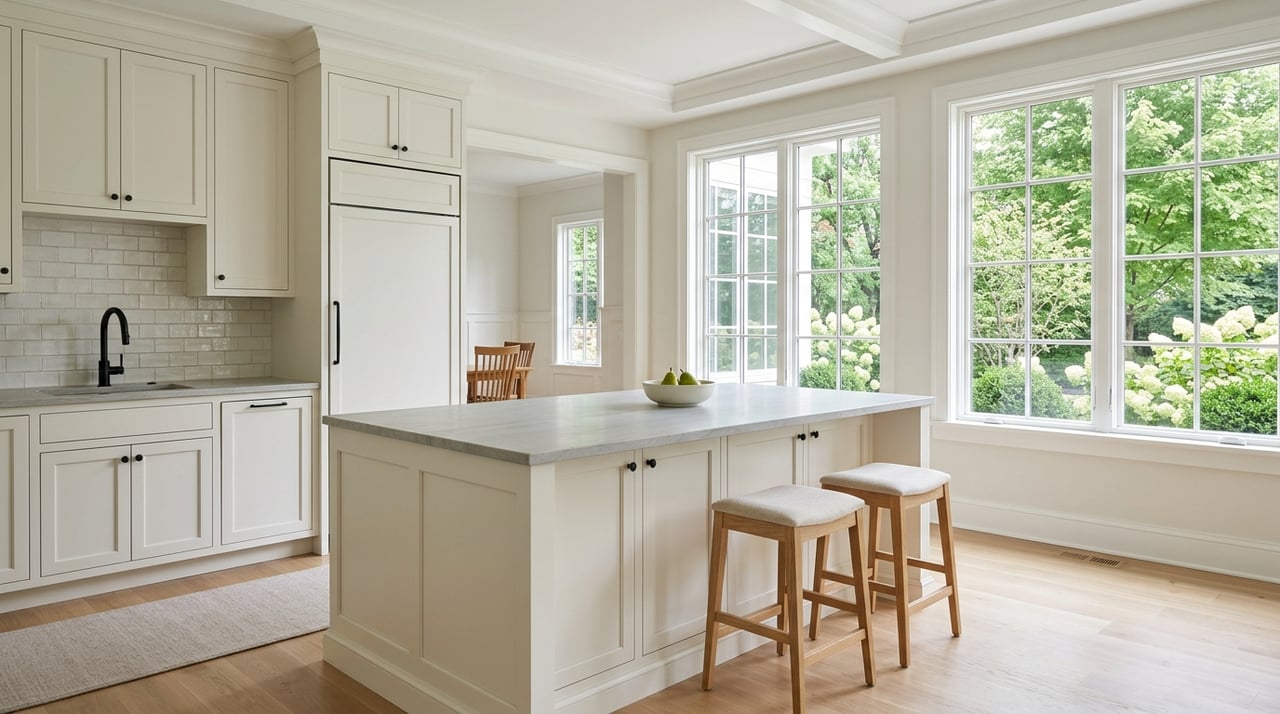
Wondering whether a historic Winnetka home or a newer build is the better fit for your next move? It is a smart question, especially in a village where architecture, lot size, trees, and neighborhood character all shape the buying decision. If you are comparing charm, maintenance, flexibility, and long-term lifestyle fit, this guide will help you weigh the tradeoffs with more confidence. Let’s dive in.
Winnetka Homes Start With Context
Winnetka is a small North Shore village of just over 12,000 residents, about 17 miles north of Chicago. It covers only 3.81 square miles, but it has a distinct identity shaped by tree-lined streets, beaches, and three shopping districts: Hubbard Woods, Elm, and Indian Hill.
That setting matters when you compare historic and new construction homes. In Winnetka, the feel of the block often matters almost as much as the house itself, and village planning rules are designed to protect established neighborhood character.
The village zoning map includes five single-family residential districts with minimum interior lot sizes ranging from 8,400 square feet to 48,000 square feet. That helps explain why one street may have compact in-town lots while another has much larger estate-like parcels.
Historic Homes in Winnetka
Winnetka has a deep historic housing stock for a village of its size. The local historical record includes more than 30 National Register and local landmark buildings, with homes and civic buildings dating from about 1850 through the 1930s.
You will also see a wide range of architectural styles. Historic Winnetka homes may include Gothic Revival, Queen Anne, Georgian Revival, Colonial Revival, Tudor Revival, and French Revival, so “historic” here does not mean one uniform look.
What Historic Homes Often Offer
The biggest draw is usually character. Historic homes can offer original millwork, masonry, windows, and room proportions that are hard to replicate in newer construction.
They also tend to contribute to the layered, established feel that many buyers want in Winnetka. Mature landscaping, older street patterns, and architecture that reflects different eras can create a strong sense of place.
It is also worth noting that not every older home feels formally traditional inside. Local housing history shows that many Winnetka homes built from the 1920s through the 1960s were designed with practical floor plans for their time, including eat-in kitchens, basement rec rooms, and attached garages.
Where Historic Homes Can Require More Thought
Older homes often ask more of you in terms of maintenance and renovation planning. If a home has older insulation, original windows, or aging systems, you may need to budget for updates sooner rather than later.
If the home was built before 1978, lead-based paint is another important inspection topic. That does not mean the home is the wrong choice, but it does mean you should pay close attention to inspection findings, renovation plans, and lead-safe work practices.
Renovation flexibility may also be different than you expect. Preservation guidance generally favors repair over replacement, especially for original features like windows, so some updates may involve working with what is already there instead of starting from scratch.
Winnetka Rules Affect Historic Properties
In Winnetka, historic preservation rules can influence both strategy and timing. The village states that demolition review for a historic or architecturally significant home can typically take 300 to 330 days from a complete application.
The village also offers up to a 20% building-size bonus when a qualifying home is preserved rather than demolished or substantially altered. For buyers, that means the value of an older home is not just about aesthetics. It can also affect what is possible on the lot over time.
New Construction in Winnetka
New construction in Winnetka often appeals to buyers who want a more predictable maintenance profile and a home built within a current code framework. That can be especially attractive if you want modern systems and fewer immediate repair projects after closing.
Still, new construction here is not a blank-slate process. Winnetka requires permits and inspections for most construction activity, including new buildings, additions, alterations, demolition, and many mechanical replacements.
What Newer Homes Often Offer
One of the biggest advantages is system consistency. Newer homes are typically built under more current energy and construction standards than older homes, which can support stronger energy performance potential and fewer near-term system upgrades.
In Winnetka, permit review is also tied to code requirements, including the 2024 Illinois Energy Conservation Code for permits reviewed effective January 1, 2026. For buyers, that can translate into more confidence around insulation, mechanical systems, and overall performance.
Many buyers also prefer the lifestyle fit of newer construction. Depending on the home, that may mean a layout that feels more aligned with current preferences for everyday living, storage, and convenience.
What New Construction Does Not Always Solve
A newer home in Winnetka still needs to fit its surroundings. Village planning guidance says new development should relate to immediate surroundings and to established village-wide character, so even replacement homes are shaped by local design expectations.
That can be a positive if you want a home that feels connected to the neighborhood. But it also means new construction is often more constrained than buyers expect, especially compared with less regulated suburban markets.
Site conditions matter too. Mature trees and established landscaping can enhance a lot, but protected trees generally require a removal permit if they are 8 inches or more in diameter, which can affect where a home can sit and how a lot can be developed.
Teardown and Rebuild Timelines Matter
If you are considering a teardown or a recently replaced home, process is a major part of the equation. In Winnetka, demolition cannot begin until the village has approved either a permit for the new structure or a permit for site restoration.
That means rebuilding can involve more lead time and coordination than many buyers initially assume. It is one more reason why comparing a completed newer home versus taking on a build project are two very different decisions.
Historic vs New Construction: Key Differences
If you are touring both types of homes, the question is not just which one looks better on day one. The better question is which one fits your priorities, budget, and comfort level with future work.
Here is a simple side-by-side comparison:
| Category | Historic Homes | New Construction |
|---|---|---|
| Style | Often more original architectural detail and period character | Typically more current finishes and systems |
| Maintenance | May involve higher upkeep and more aging components | Often fewer immediate repair items |
| Renovation Flexibility | Can be shaped by existing features and preservation considerations | Usually more straightforward if already completed |
| Energy Performance | Older insulation and windows may need attention | Often built to more current code standards |
| Lot Context | Frequently paired with mature landscaping and established streetscapes | May be influenced by lot constraints, tree rules, and design review |
| Timeline Risk | Updates can be more complex depending on age and condition | Rebuilds and teardowns can involve significant permitting steps |
What to Compare at Showings
When you walk through a historic home, focus on more than visual charm. Ask about insulation, heating and cooling equipment, windows, roof condition, and drainage.
If the home predates 1978, ask whether lead disclosure applies and whether any renovation work was completed using lead-safe practices. Those details can tell you a lot about future costs and project planning.
When you tour newer construction, review the home as more than a finish package. Ask about permit history, final inspections, code compliance, and whether site work and landscaping were completed in a way that fits the lot.
For either home type, pay attention to what you can and cannot easily change. In Winnetka, lot shape, setbacks, neighborhood context, and trees can matter just as much as countertops and paint colors.
Budget Matters in Winnetka
This decision also plays out in a high-value market. In March 2026, Winnetka had a reported median sale price of $1.72 million, a median sale price per square foot of $549, and a median of 29 days on market.
That means your choice between historic and new construction is not only about taste. It is also about how you want to allocate your budget between purchase price, renovation tolerance, and near-term maintenance.
Some buyers would rather pay for original character and improve a home over time. Others want a cleaner maintenance slate from the start and are willing to pay for that convenience.
Which Home Type Fits You Best?
A historic Winnetka home may be the better fit if you value architectural detail, established surroundings, and the kind of character that only time creates. It can be a strong choice if you are comfortable with upkeep and thoughtful updates.
A newer home may be the better fit if you want more predictable systems, stronger energy-performance potential, and fewer immediate projects after move-in. It can also appeal if convenience and day-one functionality rank high on your list.
In many cases, the right answer comes down to how you want to live, not just what style you prefer. In Winnetka, both paths can be compelling, but each comes with a different balance of charm, process, and maintenance.
If you are weighing historic versus new construction in Winnetka, having local guidance can make the comparison much clearer. The team at LWG Real Estate can help you evaluate neighborhood context, property condition, and market timing so you can move with confidence.
FAQs
What makes a home historic in Winnetka?
- In Winnetka, historic homes generally refer to older properties that are part of the village’s long architectural history, including homes dating from about 1850 through the 1930s, along with certain landmarked or architecturally significant properties.
Are newer homes in Winnetka easier to maintain?
- Newer homes often have more current systems and may come with fewer immediate repair needs, but maintenance still depends on construction quality, site conditions, and how the home fits the lot.
Do historic Winnetka homes always have outdated layouts?
- No. Some older Winnetka homes, especially those built from the 1920s through the 1960s, were designed with features that still feel practical today, such as eat-in kitchens, basement rec rooms, and attached garages.
What should you inspect in a historic Winnetka home?
- Key items include insulation, windows, heating and cooling equipment, roof condition, drainage details, and whether the home was built before 1978, which can make lead-related disclosures and renovation practices relevant.
What should you review in a newer Winnetka home?
- You should review permit history, final inspections, code compliance, and whether site work and landscaping were completed in a way that fits the property and village requirements.
Can you tear down and rebuild a home in Winnetka?
- Potentially, but the process is regulated. Winnetka requires approvals tied to demolition and site restoration, and historic or architecturally significant homes may face a longer demolition review timeline.
Is historic or new construction more expensive in Winnetka?
- The answer depends on the specific home, but in a market with a reported March 2026 median sale price of $1.72 million, the bigger question is often how much of your budget you want to put toward updates, maintenance, or move-in-ready convenience.