Thinking about buying or selling an estate home in Lake Forest and wondering what today’s numbers really mean for you? You are not alone. The upper tier here moves differently from the broader market, and small details like acreage, lake proximity, and architectural pedigree can shift value by seven figures. In this guide, you will get a clear view of price bands, time-to-sale expectations, and the features that drive premiums, so you can plan with confidence. Let’s dive in.
Lake Forest market snapshot 2026
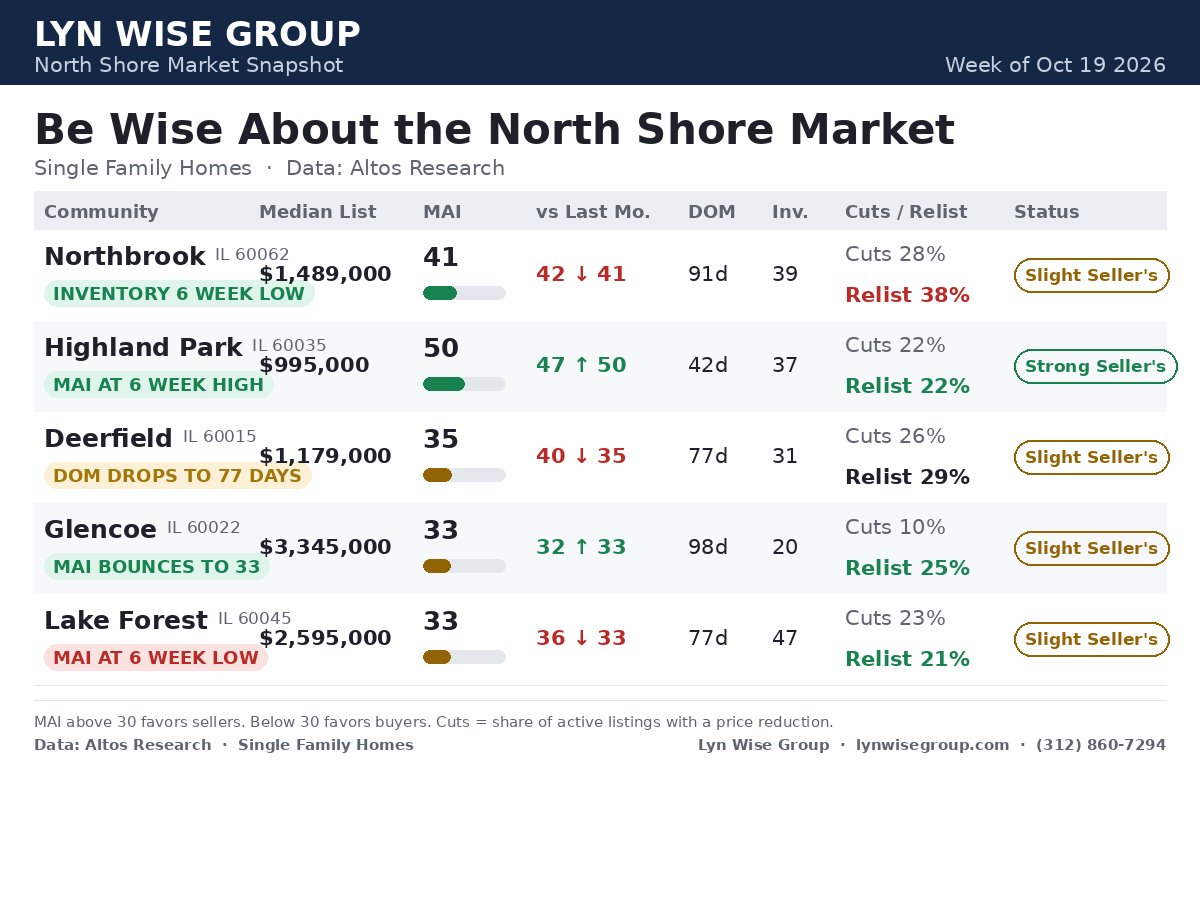
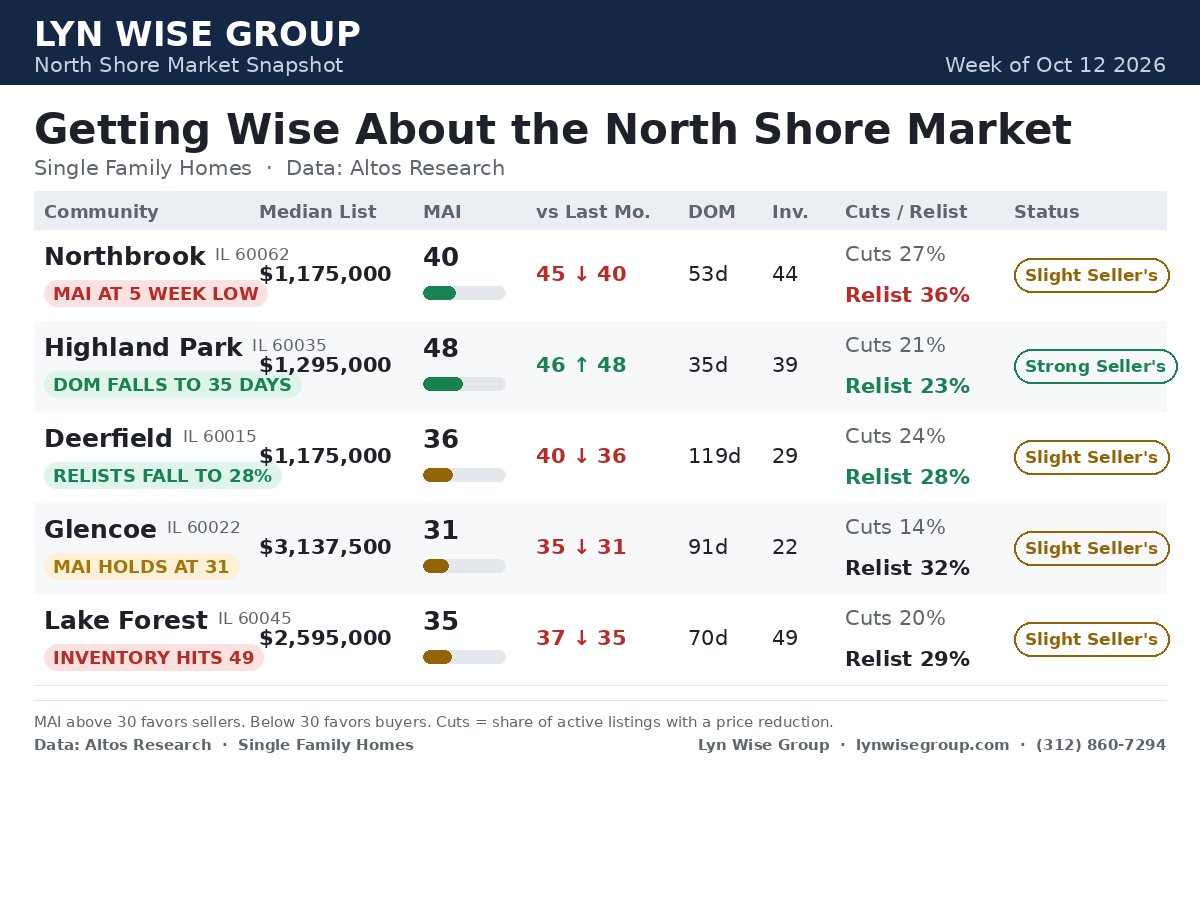
Lake Forest is a high-value market where the citywide index sits around the low seven figures, and the estate tier sits well above that. Citywide, the Zillow Home Value Index is about $1.135M as of late January 2026. Median list prices have been reported closer to the high $1M to low $2M range depending on the data window, which reflects the strong presence of luxury inventory.
Days on market have lengthened from the 2021–2022 surge. Today, most sources show a median range near 84–90 days for all properties. Altos Research’s Lake Forest snapshot shows median days on market around 84 days for ZIP 60045 in early February 2026, which aligns with what you feel on the ground.
Bottom line: if you are evaluating an estate-level property, expect pricing and timelines to behave differently from the citywide averages.
What counts as an estate home here
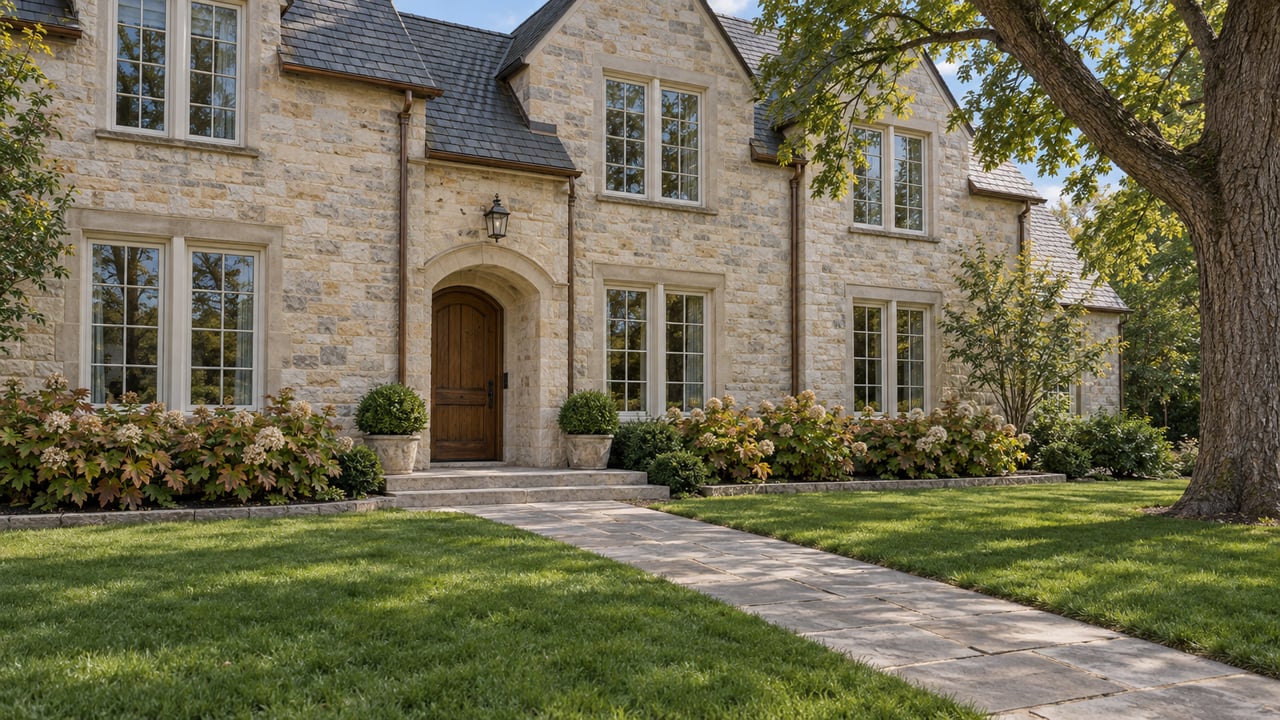
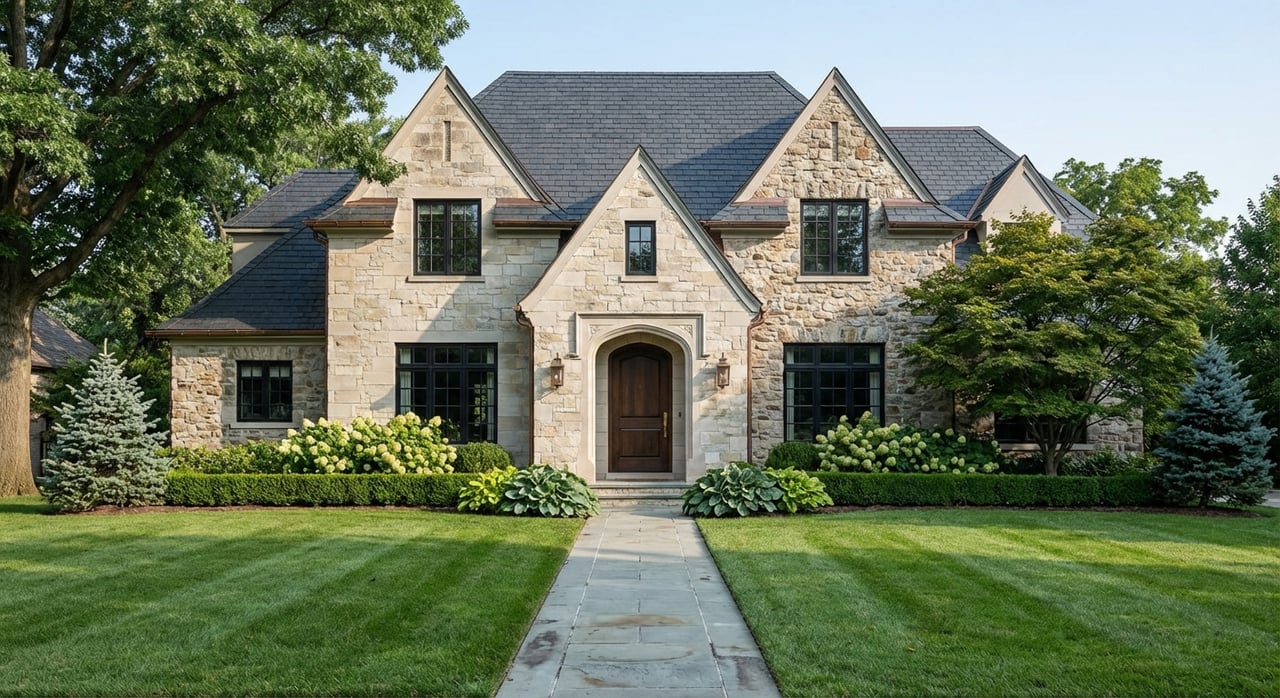
In Lake Forest, “estate” usually means a larger-lot single-family home associated with the upper price tiers. Practical thresholds include one or more of the following: lot size of about 0.5 to 1.0 acre or more, finished area above 4,000 square feet, or a price above roughly $1.5M to $2M. Altos Research segments the 60045 market into clear tiers that support these thresholds.
Typical working bands you can use to frame expectations:
- Entry luxury or move-up estates: ~$1.0M–$1.8M. Often renovated mid-century homes or newer builds on smaller estate lots.
- Core estate band: ~$1.8M–$3.0M. Common features include 0.5–2 acres, 4,000+ square feet, and high-end finishes.
- Trophy and lakefront: $3M+. Scarce properties with lake influence, larger acreage, and architectural pedigree. The top niche reaches $5M+ depending on access and provenance.
Use recent MLS comps to set pricing for a specific property, since individual attributes can move value quickly at this level.
What drives value at the estate level
Acreage and privacy
Larger lots command higher medians in Lake Forest. Upper segments often carry 1–2.5 acre parcels, and pricing reflects that concentration of land. The effect is twofold: acreage raises value due to scarcity and it enables the amenities buyers expect at this tier, like long drives, guest spaces, pools, and private outdoor areas. Adjust comps for usable acreage, buildable area, and any conservation or easement constraints supported by Altos’ ZIP segmentation.
Lake proximity and lakefront
The Sheridan Road and Lake Road corridor includes a limited set of historic lakefront parcels. That scarcity, plus views and access, creates strong interest when marketed correctly. You can explore the area’s legacy through a local walking tour that highlights the bluff and shoreline context along this corridor, as shown in this overview of Lake Forest’s lakefront heritage.
Lakefront also comes with stewardship considerations. The City and local partners have invested in bluff and shoreline projects, such as the Forest Park improvements and ravine restoration, which protect public amenities while highlighting the importance of permits and long-term maintenance. If you are evaluating a lakefront or bluff-adjacent home, plan for site-specific due diligence on shoreline structures and stormwater systems. Review the local project background at Bleck Engineering’s Forest Park summary.
Architectural pedigree and provenance
Lake Forest’s architectural legacy is a differentiator. Estates associated with notable architects and recognized preservation work often attract a buyer set that values provenance, which can support premium outcomes. At the same time, historic designation may add renovation constraints and longer due diligence. For context on the area’s architectural heritage, see the Lake Forest Preservation Foundation’s overview.
Condition, systems, and lifestyle features
Turnkey condition and modern systems widen the buyer pool. Smart-home features, wellness spaces, functional home offices, and outdoor amenities like resort-style pools continue to resonate in the 2024–2026 luxury cycle. Staging remains a high-ROI lever in this segment, and pre-listing improvements that deliver a cohesive, move-in-ready feel can accelerate demand. For seller-friendly tactics, review the National Association of REALTORS’ guidance on staging for luxury listings.
Market velocity and timing
How long estate homes take to sell
Citywide medians suggest a two-to-three month market for the typical listing, but estate tiers split. Mid-market estates that are well prepared and well priced often move in about 1–3 months. In the very top segment, marketing times stretch much longer due to a smaller buyer pool and bespoke fit questions. In early 2026, Altos shows the top price tier with very long durations, at times spanning many months. That pattern is normal for trophy inventory and should inform your planning and carry-cost assumptions.
Best time to list
Seasonality still matters. National data shows that sellers often achieve the largest premiums in late spring, with May and June as standout months in many markets. That means Lake Forest sellers who want to ride peak buyer activity should target preparation in late winter in order to launch in early spring. See the national timing analysis from ATTOM on the best time to sell a home.
Smart steps for sellers
- Price with a true estate comp set. Use your agent’s MLS review to anchor pricing to recent estate trades and relevant off-market activity. Public portal medians are useful context, yet they can diverge from on-the-ground comps in a small, high-value sample.
- Invest in presentation. Professional photography, floor plans, and drone imagery help buyers understand acreage, siting, and flow. For historic estates, highlight documented architectural lineage and any recognized preservation work.
- Stage for impact. Cohesive staging and light, high-visibility updates make a strong first impression and broaden appeal. NAR’s guidance on staging for luxury listings supports this investment.
- Reduce friction with documentation. Pre-listing inspections, service records, and clear disclosures around big-ticket systems, roofs, retaining walls, and shoreline work can shorten negotiations.
- Expand your buyer reach. Global luxury distribution and targeted broker outreach amplify exposure for premium homes. Industry reporting underscores how brand networks and international channels can lift demand for high-ticket inventory, as noted in HousingWire’s coverage of global luxury brokerage performance.
Smart steps for buyers
- Secure jumbo financing early. Estate purchases often exceed conforming limits and may involve manual underwriting, reserve requirements, and specialty appraisals. Pre-qualify with a lender experienced in high-balance loans. For background on jumbo programs, see Rocket Mortgage’s overview of jumbo loan basics.
- Right-size your comps. Compare acreage, lake influence, and architectural pedigree carefully. At the top tier, each attribute can move price meaningfully. Expect a tight comp set and be ready to weigh qualitative factors.
- Plan for enhanced due diligence. For bluff and lakefront properties, obtain geotechnical reports, verify shoreline permits, and review ravine or stormwater improvements. The Forest Park project summary shows the kind of coastal stewardship that is relevant to long-term planning.
- Leverage time-on-market. When the top tier shows extended market times, you may gain room to negotiate on price or seller credits, especially if inspections surface capital items.
How we help you move decisively
You deserve a partner who brings neighborhood relationships, data-driven strategy, and premium marketing to every decision. As a boutique North Shore team backed by @properties | Christie’s International Real Estate, we combine local expertise with institutional distribution. That means fast communication, tailored pricing, off-market access, and marketing that reaches qualified buyers here and beyond.
If you are weighing your next move in Lake Forest, we will map your price band, timeline, and must-have features, then craft a plan to hit your goals with clarity and confidence.
Ready to take the next step? Request a Home Valuation & Market Plan from LWG Real Estate.
FAQs
What is the current price context for Lake Forest homes citywide?
- Citywide indices sit near the low seven figures, with the Zillow Home Value Index around $1.135M as of late January 2026. Luxury inventory pushes listing medians higher due to mix.
What price range typically defines an estate home in Lake Forest?
- Treat homes with 0.5–1+ acres, 4,000+ square feet, or prices above roughly $1.5M–$2M as estate candidates, with trophy and lakefront properties starting around $3M and moving higher.
How long do Lake Forest trophy estates usually take to sell?
- Expect a longer runway than the broader market. Mid-market estates can move in about 1–3 months when well prepared, while top-tier estates often require many months to find the right match.
How does lakefront location affect value and due diligence?
- True lakefront is scarce and desirable, which supports premium pricing. Evaluate bluff stability, shoreline structures, and permits, since these factors shape long-term costs and insurability.
When is the best season to list an estate in Lake Forest?
- Late spring is often best, with May and June showing strong sale premiums in national analyses. Plan winter prep to be market-ready by early spring.