Wondering whether Ravinia fits the way you want to live in Highland Park? If you are comparing neighborhoods, this pocket of town stands out for its historic character, festival energy, and practical rail access, but it also comes with tradeoffs that may or may not suit your routine. This guide will help you understand what Ravinia feels like, how it compares with other parts of Highland Park, and what to think through before you buy. Let’s dive in.
What Ravinia Is Known For
Ravinia is the part of Highland Park centered on Roger Williams Avenue east of Green Bay Road. The City describes it as a small-scale district with businesses, restaurants, specialty shops, and professional services, making it a convenient stop before or after visiting Ravinia Festival or the Chicago Botanic Garden.
That setting gives Ravinia a different feel from a typical suburban neighborhood. It blends residential streets with a neighborhood business district, so you get a more layered day-to-day environment than you might find in a purely residential area.
There is also real history behind that character. Historic documentation notes that Ravinia was annexed to Highland Park in 1899, with curving streets shaped by ravine topography and a long history as an artists' colony.
Ravinia Has Historic Character
If you are drawn to older neighborhoods with a sense of place, Ravinia may feel especially appealing. The neighborhood developed with curving roads east of the tracks, while the west side was intended for smaller, more modest houses and commercial development.
That older layout still shapes how the area feels today. Instead of reading like a newer planned subdivision, Ravinia tends to feel established, varied, and rooted in Highland Park’s history.
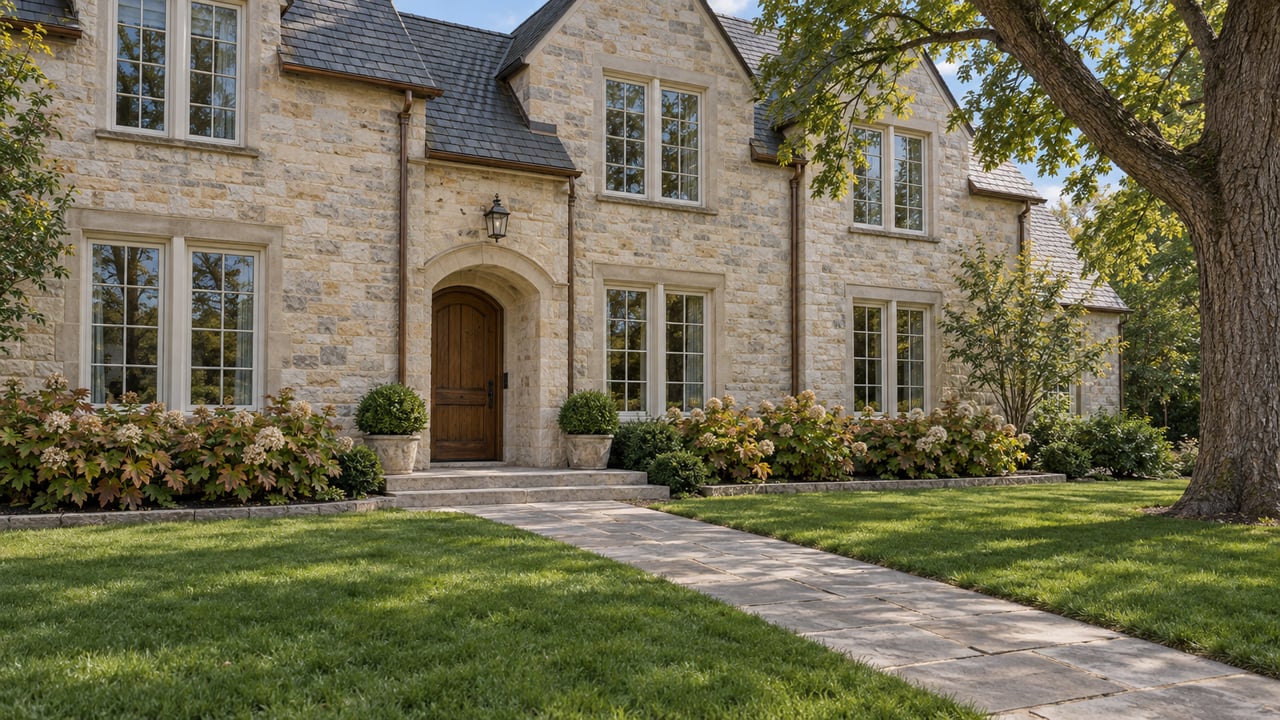
For many buyers, that is a major plus. You may find that the streetscape, lot patterns, and architectural mix offer more visual interest than neighborhoods built in a single era.
What Homes in Ravinia Tend to Be Like
Ravinia is primarily made up of medium- and large-single-family homes, with some apartment and high-rise housing in the mix. Most homes are owner occupied, and much of the housing stock dates from 1940 to 1969, with another share built before 1940.
In practical terms, that often means you are looking at a neighborhood with older homes, established blocks, and a broader range of housing styles. Some buyers love that mix because it can offer character and individuality that are harder to find in more uniform neighborhoods.
At the same time, older housing can vary a lot from one block or property to the next. A home may be fully renovated, partially updated, or more original in condition, so it helps to look closely at each property rather than assume the whole neighborhood offers the same type of home.
Ravinia Lifestyle: Festival, Shops, and Local Rhythm
The Ravinia Festival is the neighborhood’s defining lifestyle anchor. The 36-acre park opened in 1904 and is home to North America’s longest-running outdoor music festival, with more than 100 events typically staged each summer, including the Chicago Symphony Orchestra’s annual residency.
That has a real effect on how the neighborhood lives and feels. If you love the idea of being close to seasonal performances and a well-known cultural destination, Ravinia offers something distinctive within Highland Park.
The surrounding district adds to that appeal. The City describes the Ravinia District as a walkable cluster of shops and restaurants, which supports a neighborhood experience that can feel active without matching the scale of a major downtown.
Jens Jensen Park also contributes to that local rhythm. Located on Roger Williams Avenue, it is a neighborhood park and hosts the Ravinia Farmers Market, adding another community-focused touchpoint for nearby residents.
Metra Access Is a Big Advantage
For many buyers, one of Ravinia’s strongest practical benefits is rail access. The Ravinia station at 510 Roger Williams Avenue is on Metra’s Union Pacific North line, is accessible, sits in fare zone 3, and includes 171 parking spaces.
That can make Ravinia especially attractive if your routine depends on commuter rail or if you simply value having transit close by. Easy station access can be a major lifestyle win, especially if you want the option to get into the city without relying on a full drive.
There is also a seasonal detail worth noting. Metra states that the Ravinia Park stop operates only during Ravinia concert season, so whether that stop matters to you will depend on how you plan to use it.
Ravinia’s Tradeoffs to Consider
Every neighborhood has tradeoffs, and Ravinia is no exception. The same features that make it appealing, such as festival access, a walkable district, and neighborhood events, can also bring more activity to certain blocks at certain times.
If you are considering a home here, it is smart to think about how close the property is to Roger Williams Avenue, the station, and the district core. Festival traffic, market-day activity, and event parking may affect your experience differently depending on the exact location.
The City’s streetscape plan for the district also shows ongoing attention to Roger Williams Avenue, including lighting, wayfinding, and support for pedestrians and cyclists. For many buyers, that signals continued investment in the public realm and neighborhood connectivity.
How Ravinia Compares With Downtown Highland Park
If you are deciding between Ravinia and Downtown Highland Park, the biggest difference is scale and intensity. Downtown is described by the City as the heart of Highland Park, with roughly 450 businesses, strong event programming, and a growing multifamily residential base.
That makes Downtown the more urbanized and commercially active option. If you want a denser shopping and dining environment with more centrality, Downtown may be the stronger fit.
Ravinia usually offers a quieter, more neighborhood-scaled setting in return. You may give up some restaurant density and main-core energy, but you gain a more intimate district feel with strong residential character.
How Ravinia Compares With East Highland Park
East Highland Park is often the more useful comparison if your focus is residential feel and proximity to lake-oriented amenities. Consumer profiles show large- to medium-single-family homes plus apartment and high-rise stock, with many homes built before 1939 and some from 1970 to 1999.
Ravinia, by contrast, is more closely defined by its district core and festival corridor. If East Highland Park reads to you as more oriented around a broader residential and shoreline lifestyle, Ravinia tends to feel more tied to its neighborhood center and transit connection.
That does not mean Ravinia lacks access to the broader Highland Park lifestyle. It simply means your daily feel may be shaped more by Roger Williams Avenue, the station, and the festival area than by shoreline proximity alone.
What About Lake Access?
Lake access is part of Highland Park living, but convenience varies by address. Nearby shoreline amenities include Rosewood Beach, Moraine Park & Beach, and the Park Avenue Boating Facility.
Rosewood Beach offers guarded swimming and an interpretive center. Moraine Park & Beach includes passive recreation and beach access, along with Highland Park’s only dog beach area, while the Park Avenue Boating Facility supports boating, stand-up paddleboarding, kayaking, and fishing.
The key point is that not every Ravinia home will feel equally close to these destinations. If lake access is a top priority for you, it is worth looking at the realistic route and routine from a specific property rather than relying on a general map impression.
Ravinia May Be Right for You If
Ravinia tends to fit buyers who value:
- Historic character and an established neighborhood feel
- Proximity to Ravinia Festival and seasonal cultural activity
- Walkable access to local shops, restaurants, and neighborhood amenities
- Convenient Metra access on the Union Pacific North line
- A setting that feels more layered than a purely residential subdivision
It may be less ideal if you want:
- The highest concentration of dining and retail in Highland Park
- A more urbanized, central downtown setting
- A location where shoreline access is your main day-to-day priority
- A block with less event-related activity during peak festival season
Smart Questions to Ask Before You Buy in Ravinia
Before making an offer, it helps to narrow the conversation to the exact block and home. Ravinia can vary meaningfully from one pocket to another.
Here are a few useful questions to ask:
- Where is the home in relation to Roger Williams Avenue, the station, and the district core?
- How close is the property to Metra parking?
- Would the seasonal Ravinia Park stop affect your routine at all?
- How much do festival traffic, farmers market activity, or event parking affect this block?
- Is the home an older property that has been renovated, a classic bungalow or cottage, or part of a more mixed housing pocket?
- What is the most realistic route to beaches and lakefront amenities from this address?
- If you are comparing Ravinia with Downtown or East Highland Park, which matters more to you: district energy, lake-oriented convenience, or housing style?
The Bottom Line on Ravinia
Ravinia is one of Highland Park’s more distinctive neighborhoods because it combines history, housing variety, local businesses, festival culture, and commuter convenience in one compact area. For the right buyer, that mix is exactly the draw.
The best way to decide is to match the neighborhood’s strengths to your routine. If you want historic character, rail access, and a neighborhood centered around local culture and community activity, Ravinia may be a very strong fit.
If you are weighing Ravinia against other Highland Park neighborhoods, LWG Real Estate can help you compare blocks, housing options, and lifestyle tradeoffs with clear local insight.
FAQs
What is the Ravinia neighborhood in Highland Park known for?
- Ravinia is known for its historic character, the Ravinia Festival, a walkable business district along Roger Williams Avenue, and convenient Metra access.
What types of homes are common in Ravinia, Highland Park?
- Ravinia is primarily made up of medium- and large-single-family homes, with some apartment and high-rise housing, and many homes date from 1940 to 1969 or earlier.
How does Ravinia compare with Downtown Highland Park?
- Ravinia is generally quieter and more neighborhood-scaled, while Downtown Highland Park is more urbanized, commercially active, and has a larger multifamily presence.
Is Ravinia a good neighborhood for Metra commuters?
- Ravinia can be a strong choice for commuters because the Ravinia Metra station is on the Union Pacific North line, is accessible, and includes parking.
How close is Ravinia to Highland Park lakefront amenities?
- Ravinia has access to the broader Highland Park lakefront lifestyle, including Rosewood Beach, Moraine Park & Beach, and the Park Avenue Boating Facility, but convenience depends on the exact address.
Who is Ravinia usually the best fit for in Highland Park?
- Ravinia is often a strong fit for buyers who prioritize historic character, festival adjacency, walkability to a local district, and rail convenience over a denser urban retail setting.